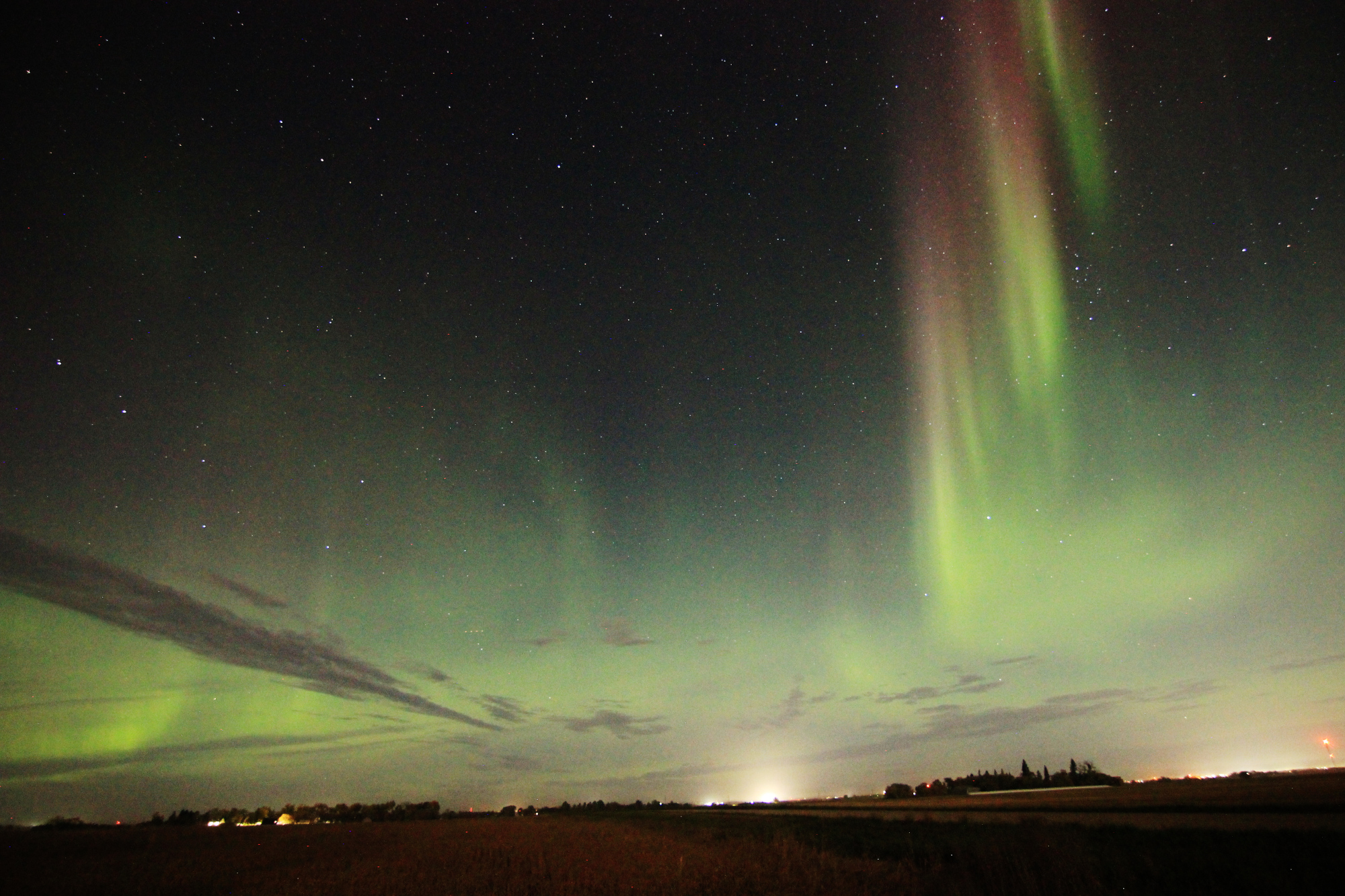
Well, it happened again.


As usual, in the timelapse below, one second of video is one minute of real time.
Thanks, Neal, for showing me a new spot, and for hanging out in the dark with me for an hour or so.
Part-time prevaricator
Well, it happened again.
As usual, in the timelapse below, one second of video is one minute of real time.
Thanks, Neal, for showing me a new spot, and for hanging out in the dark with me for an hour or so.
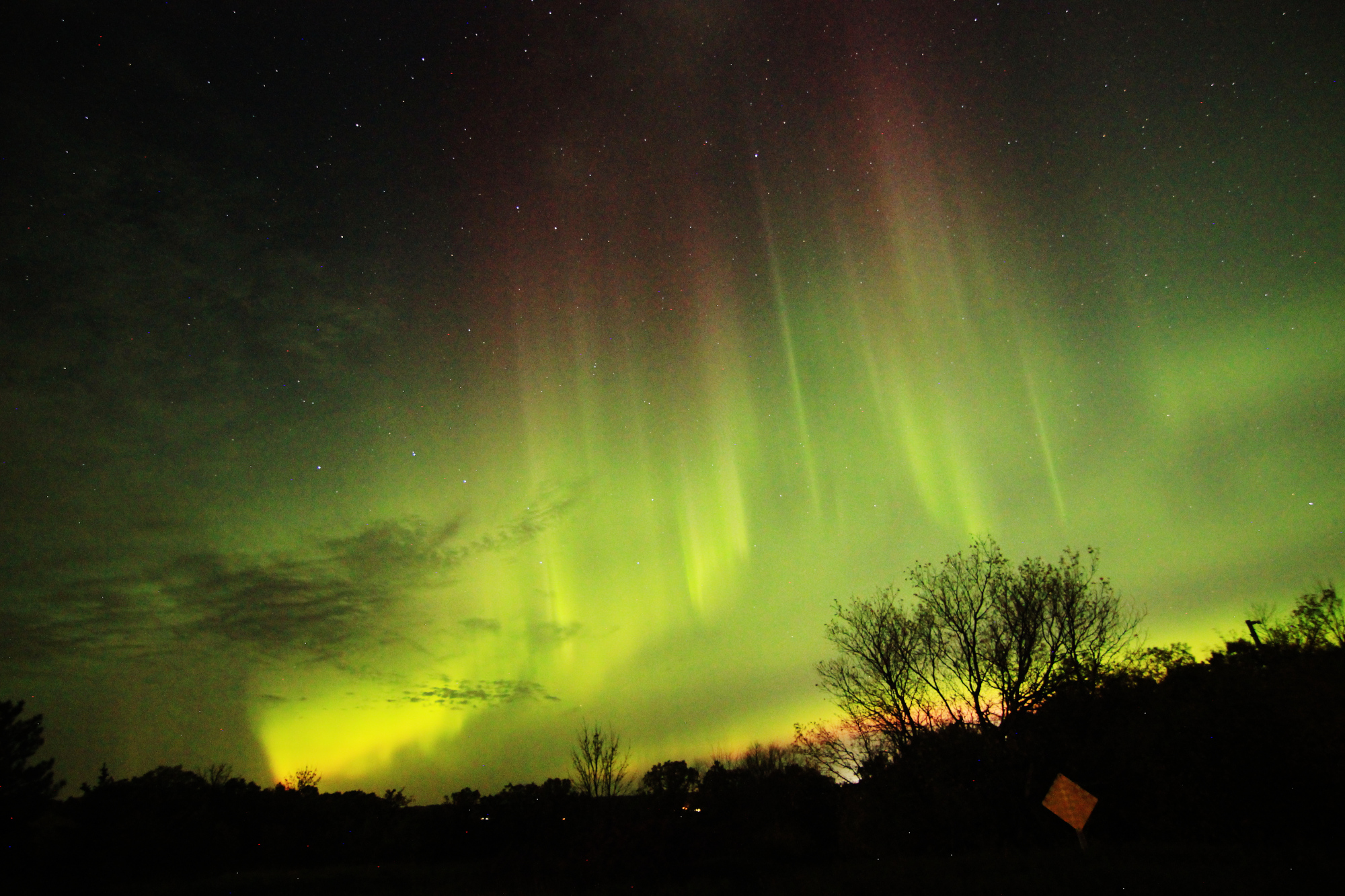
I caught some more northern lights last night.


The brightest part of the show didn’t last very long, but I let my cameras snap away for a bit less than an hour, and put together a time-lapse video. One second of video is one minute of real time; there’s a cut about ¾ of the way through the video, from camera 1 to camera 2.
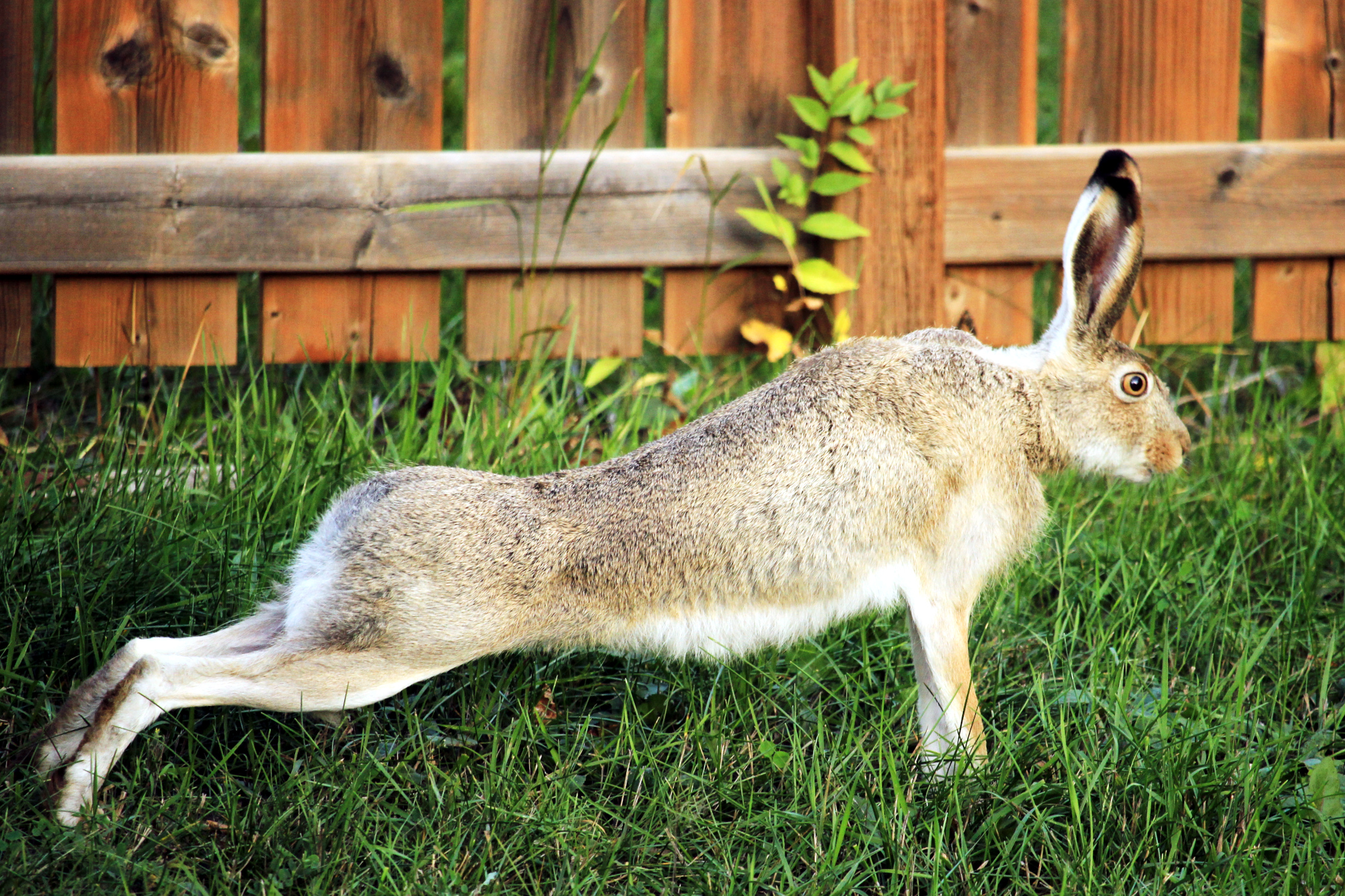
Hoss[1]Our name for any of the wild rabbits we see around town. Short for “hasenpfeffer”. came and chilled in our yard for a while. Above is a photo of a biiiiiiiiiig stretch last evening.
He was there this morning at 8:30.

And he didn’t look like he’d moved much by 1 pm.

He had departed by 4:30 pm, but something tells me he’ll be back.
I guess I’d better read this, which a friend has kindly lent to me. (Thanks, Caryl!)

Footnotes
| ↑1 | Our name for any of the wild rabbits we see around town. Short for “hasenpfeffer”. |
|---|
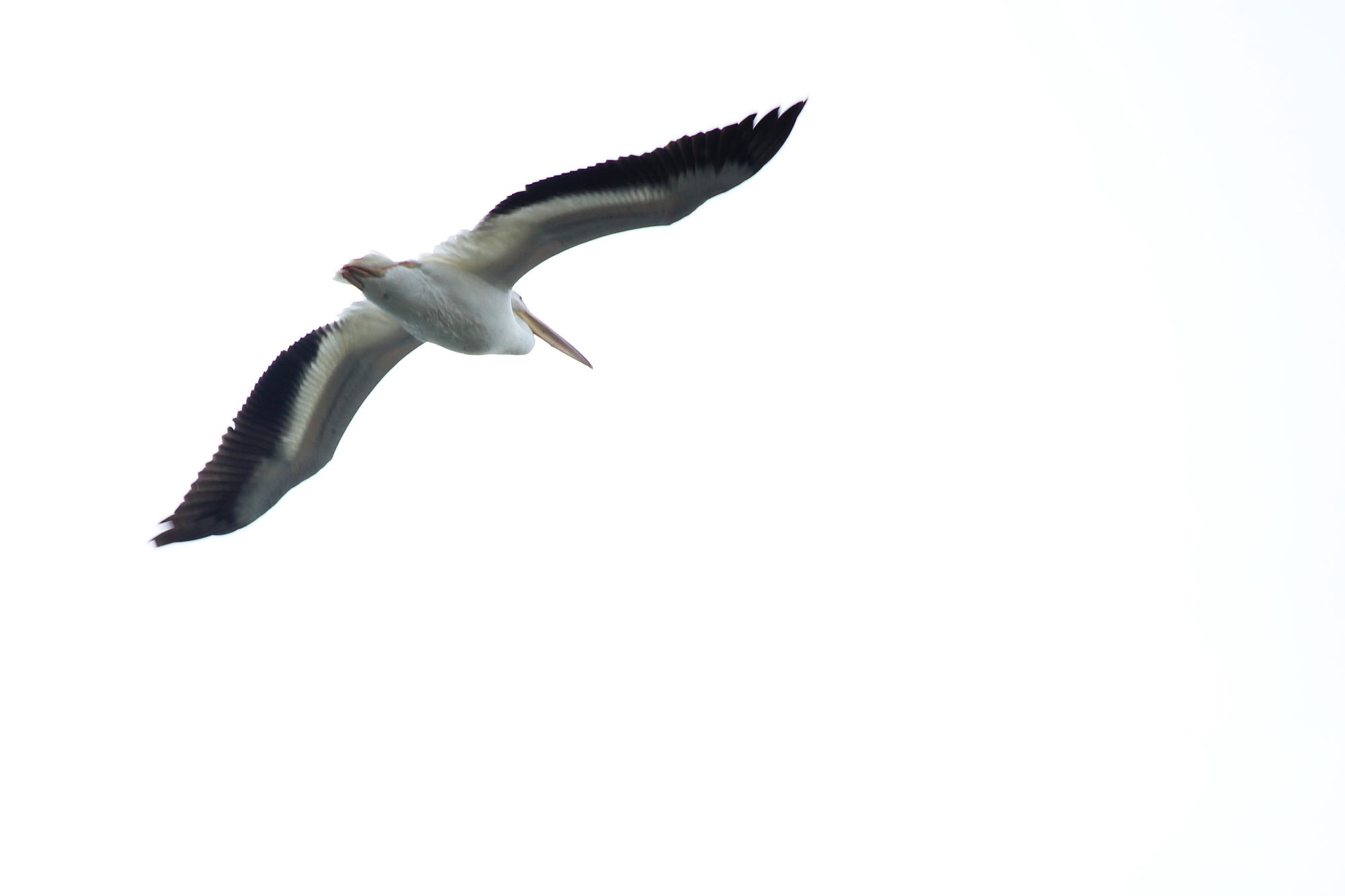


Photos from Sept. 13th, 2025, at Pelican Lake in Ninette, MB.

Yesterday was a looooooong day, but it had a glorious moment as the ground rose up to cover the sun.

There’s a sunrise and a sunset every single day, and they’re absolutely free. Don’t miss so many of them.
—Jo Walton
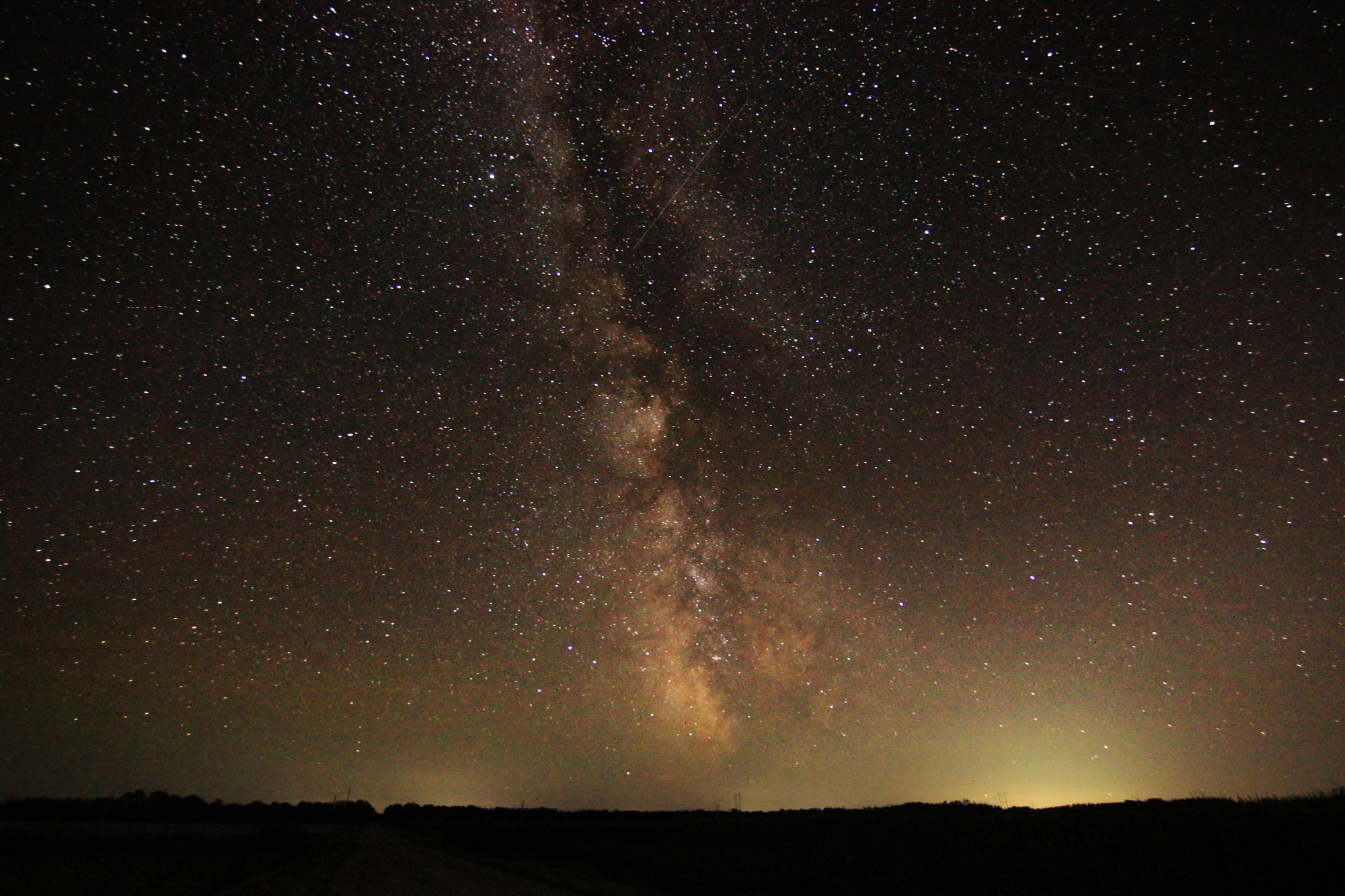
Last night I found myself on Road 81W about half a mile south of Highway 16. I had my camera and my tripod, so I thought, Well, why not? Why not take some shots of the Milky Way?
The header image, above, is a single shot of the galaxy above the prairie horizon.
This is a panoramic photo, nine photos, roughly 3×3, to capture more of the height of the galaxy than I could with any single image.

And this is an 11-image stack of a portion of the galaxy, which hopefully brings out some of the detail better than any single shot could.

All images were 30 second exposures at 11mm, f/2.8, ISO 3200.
I merged[1]Use the “Lighten Only” mode, Pat, for future reference. 10 dark frames into a single “dark master”[2]Sounds Sith, but it ain’t. to eliminate or at least limit hot pixels in the images. The Image Magick command composite {image}.jpg -compose minus_dst {dark-frame}.jpg {image}_cleaned.jpg is how I did the dark frame subtraction.
The aligning and stacking was done with tools from Hugin Panorama Tools[3]Hugin is part of Panorama Tools, apparently. and Image Magick—align_image_stack *.jpg -a aligned_ to align the images, then mogrify -format jpg *.tif to convert the TIFF files to JPEG, mostly so my computer isn’t bogging down trying to process huge image files.
The panorama was created with Hugin—my luck with aligning night-time panoramas with Huginn is hit-or-miss, but I find it generally can find enough control points in a group of Milky Way shots to do its magic.
…I should just make a page about all that, shouldn’t I. A reference for my own use, if no one else’s.
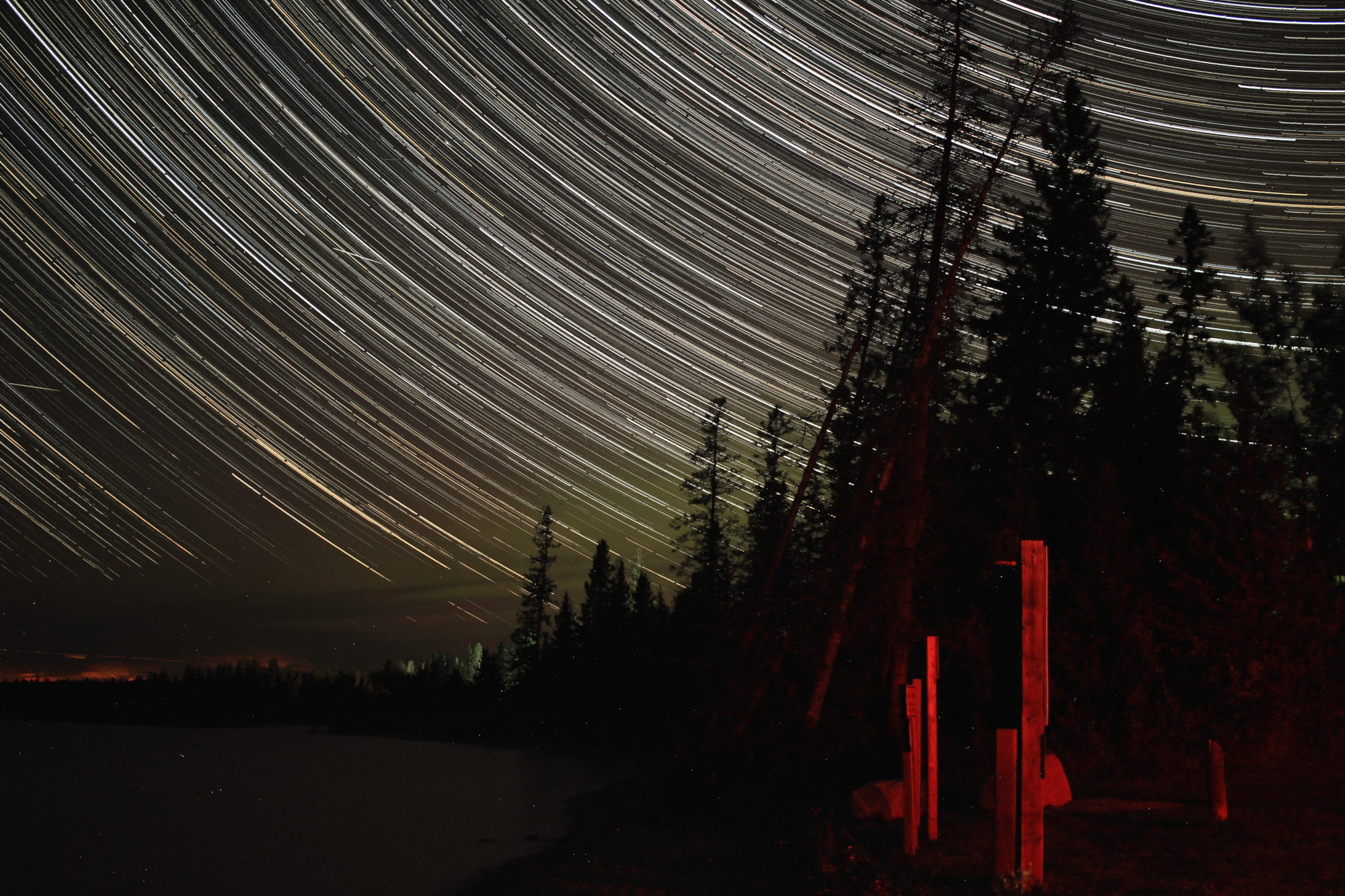
I think it was worth it, even if a thunderstorm woke me up early this morning.


I shot at Spruces for about an hour and a half, and met a couple who had stopped in on their way from Brandon to Dauphin. (Hi, Doms & Debs, if you’re reading this!)
Here are a couple timelapses, one of the Milky Way floating above Clear Lake and another of the stars wheeling across the sky.

This year I’d like to:
My “week” is a little truncated this year—I’ll be here for 5½ days, roughly—but I’m planning to make the most of it.
Header photo by Aaron Burden on Unsplash.
Footnotes
| ↑1 | It looks like the weather might cooperate. |
|---|
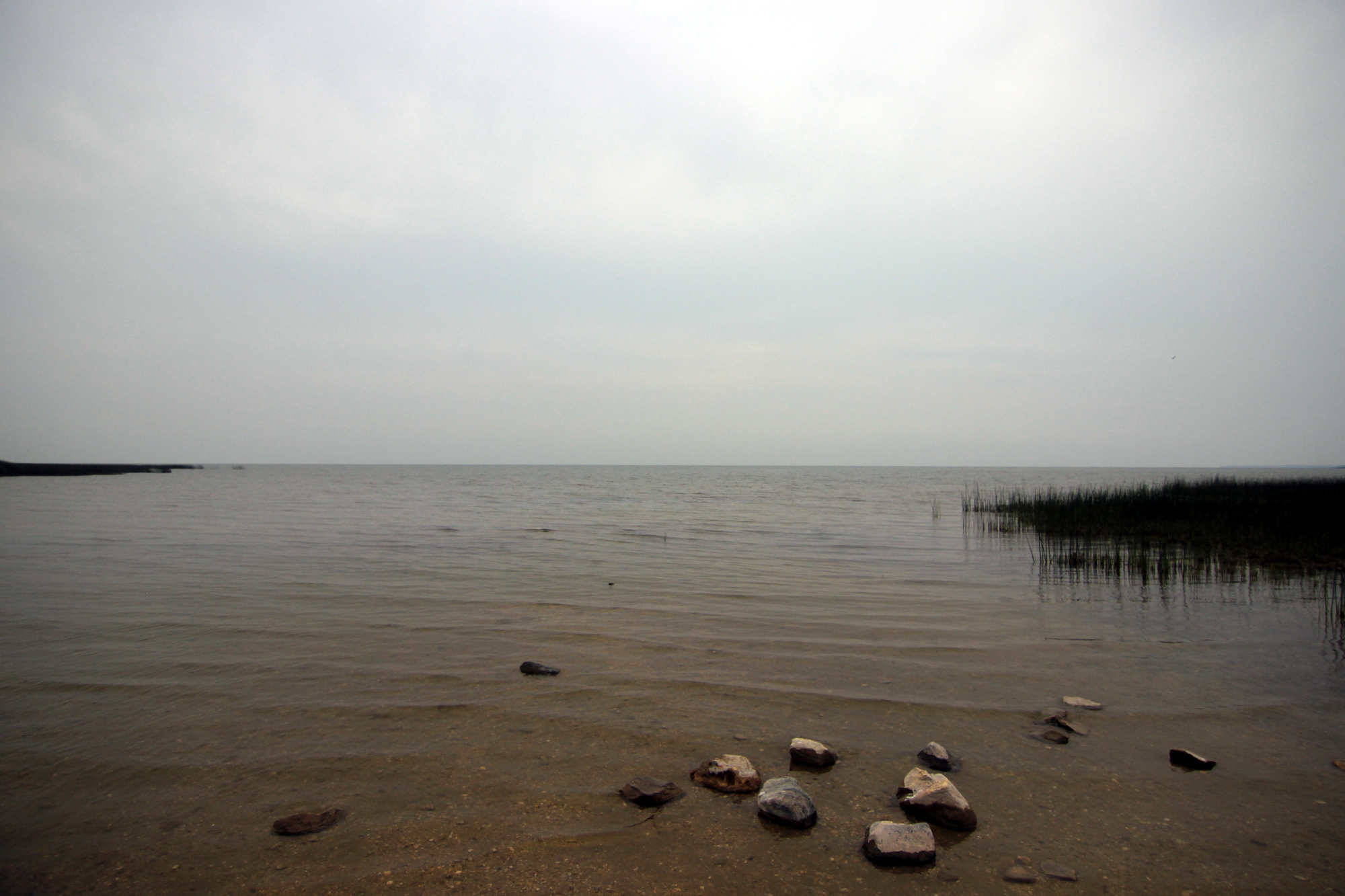
On my way up to Manipogo for the gents’ camping trip, I stopped in at a few of the places where I spent a lot of time in my formative years. It might be a while before I go that way again, so I took some photos.


I got back earlier today from a camping trip to Manipogo with three other gentlemen. We ate like kings, drank some fiery drinks, enjoyed a ridiculous game or six of “Chicken Time Warp”, paddled on the lake, stared at the stars, discussed the world’s problems, and generally had a relaxing time.


Same time(ish) next year, guys.